
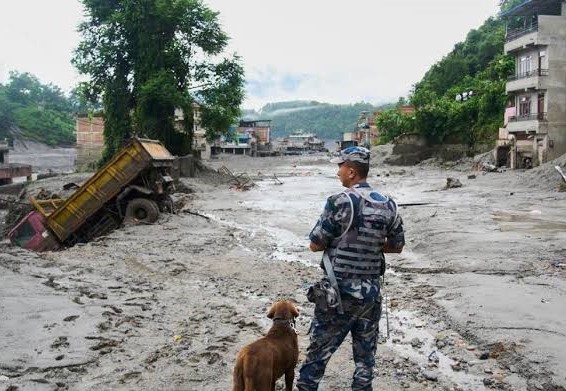
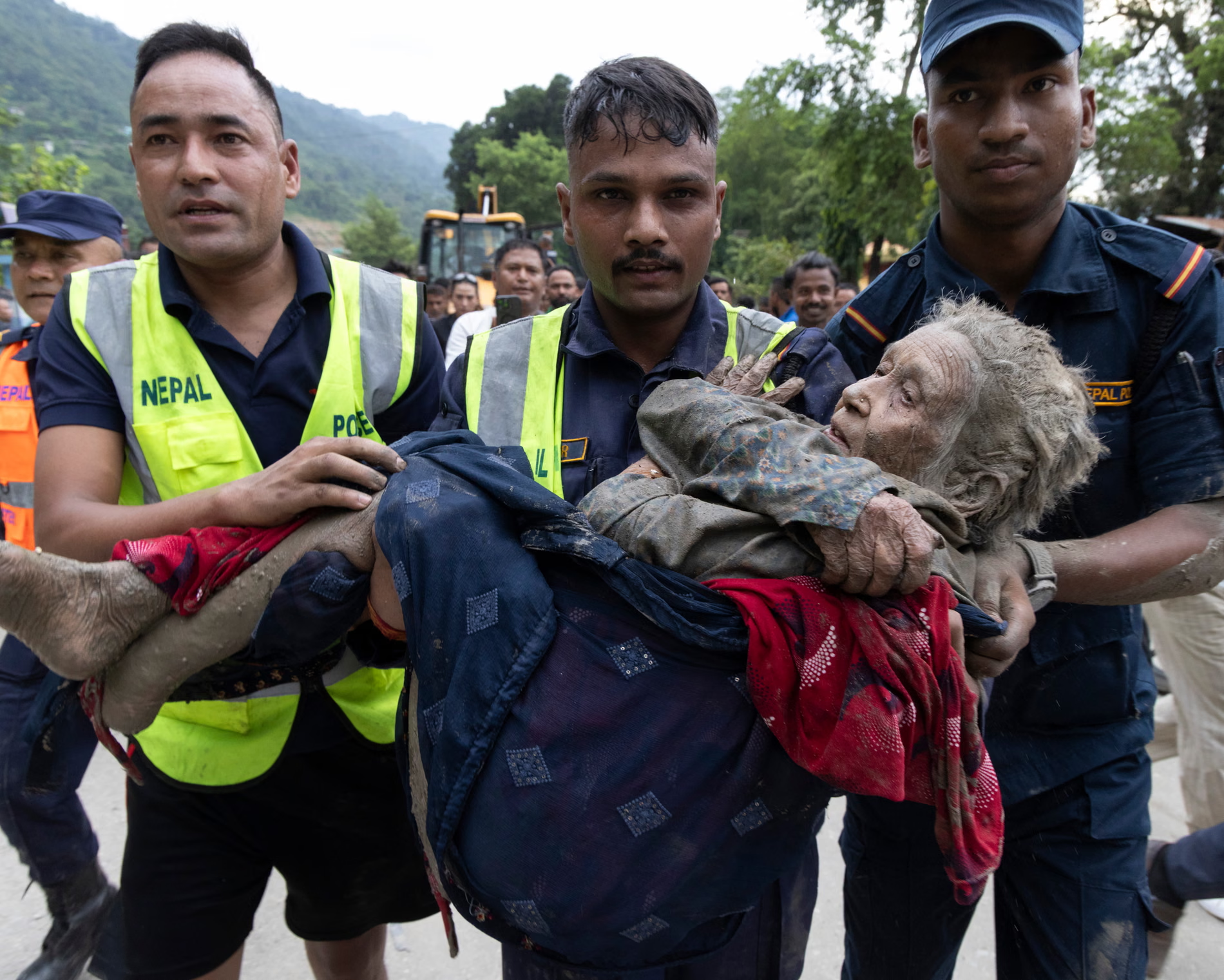


The relentless climate emergencies striking our planet have manifested in their most acute, tragic forms across Pakistan. What began as a summer monsoon has mutated into a countrywide deluge of unprecedented proportion. Torrential downpours, deadly cloudbursts, surging flash floods, and destructive landslides have spared no single province or region.
While broadcast media flashes constantly rising casualty figures and footage of entire villages swallowed by raging waters, the headlines fail to capture the true depth of the tragedy. How deep do these numbers actually go? What happens to the human soul and body after the floodwaters recede?
The Hidden Health Crisis: What the Floodwaters Leave Behind
A critical study from Yale Public Health reveals that the health consequences of severe flooding are far more complex and lethal than immediate drowning or physical injury. Flooding creates a compound medical emergency that triggers long-term, non-accidental mortalities across affected populations long after the storm passes.
Immediate physical risks include severe trauma, fractures, open wounds, and drowning, alongside widespread electrical hazards from damaged power transformers and household short circuits. However, as stagnant, contaminated water lingers, it creates an ideal breeding ground for deadly waterborne pathogens like cholera, dysentery, and typhoid, as well as vector-borne endemics such as malaria and dengue. Inside waterlogged, damp structures, toxic black mold thrives exponentially, triggering severe respiratory illnesses like pneumonia in young children and the elderly.
The tragedy extends even deeper into controlled public health efforts. In the Northwest, flood-damaged infrastructure and inaccessible roads have halted critical polio vaccination campaigns, threatening years of progress. Meanwhile, cramped communal shelters and poor sanitation are fueling outbreaks of Tuberculosis. The disruption to food supply chains and basic healthcare access further exacerbates pre-existing chronic conditions like heart disease and diabetes. Combined with severe malnutrition, starvation, and the total loss of livelihoods, millions are now battling severe mental health crises and Post-Traumatic Stress Disorder (PTSD).
A Countrywide Trail of Destruction
The sheer scale of this disaster spans every corner of the nation, leaving an unforgettable trail of heartbreak:
-
Khyber Pakhtunkhwa: Flash floods and severe landslides have claimed 279 lives and damaged 2,113 homes, causing widespread displacement across mountain valleys.
-
Punjab: Raging rivers and sweeping floodwaters have taken 165 lives and damaged 220 homes, destroying vast acres of agricultural heartland.
-
Gilgit-Baltistan: Glacial outburst floods have taken 45 lives and damaged 998 homes, completely isolating vulnerable mountain communities.
-
Sindh: Relentless torrential rains have caused 42 deaths and severely damaged 87 homes, deepening an already fragile humanitarian situation.
-
Balochistan: Violent flash floods across remote terrain have claimed 23 lives and damaged 114 homes, cutting off entire districts from basic supplies.
-
Azad Jammu & Kashmir: Rain-triggered landslides have claimed 23 lives and destroyed 1,081 houses, washing away essential mountain roads.
-
Islamabad (ICT): Rapid urban flooding has taken 8 lives and damaged 65 homes, disrupting critical infrastructure in the nation’s capital.
At the Frontline: Alkhidmat Foundation’s Nationwide Relief Operation
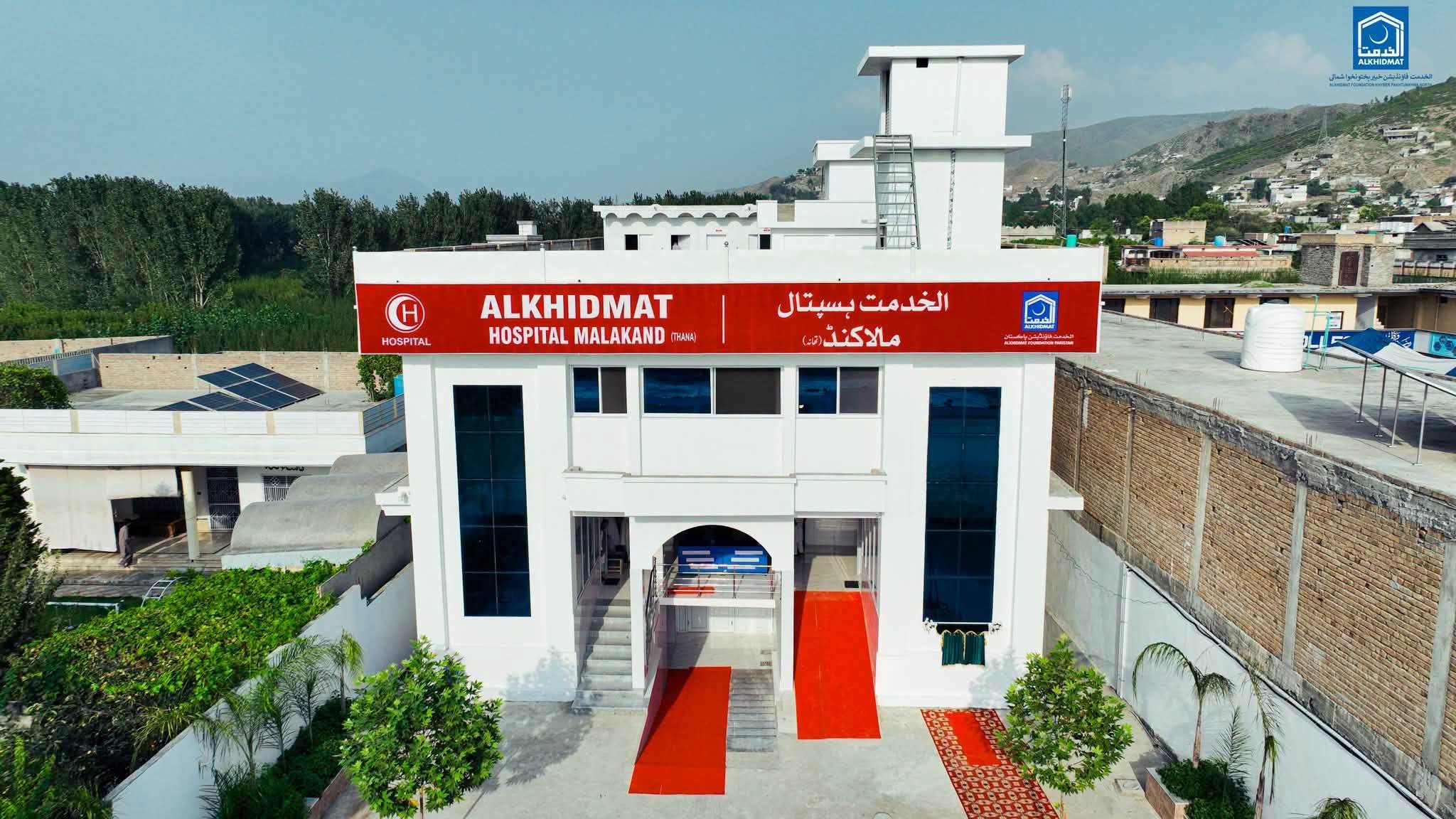
As the leading disaster management organization in Pakistan, Alkhidmat Foundation recognized the magnitude of this climate disaster immediately and deployed a massive, synchronized emergency response across the entire country.
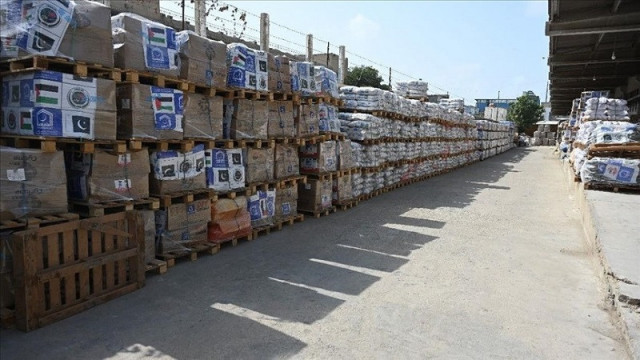
Our active frontline deployment includes specialized Disaster Responder units fully equipped to handle high-risk extractions, emergency evacuations, and search-and-rescue operations in deep water. Over 20 heavy aid trucks carrying emergency food packs, clean drinking water, hygiene kits, and weather-proof shelters are continuously arriving at the hardest-hit zones. Concurrently, a fleet of over 20 fully equipped ambulances and mobile medical teams are providing round-the-clock emergency care, delivering free medications, and treating waterborne illnesses directly on site. Underpinning this entire operation is an army of hundreds of trained, selfless Alkhidmat volunteers who are working tirelessly on the ground to deliver aid directly to families who need it most.
A National Duty: Rebuilding the Foundations of Our Nation
This catastrophe cannot be undone by superficial measures or short-term promises. The state of our vulnerable brothers and sisters demands an immediate, unified response from every single citizen.
Even if your own neighborhood was spared from the direct destruction of these waters, climate change has proven that no one is truly immune. The loss felt in the river belts of Punjab, the mountains of Baltistan, or the remote valleys of KPK is a loss for all of Pakistan.
Recall the patriotic vigor, deep compassion, and national unity with which we celebrate our Independence Day every year. Channel that same spirit today.
Donate generously. Put yourself in the shoes of a mother standing in floodwaters with her child, or a father who has lost his home and livelihood in seconds. Help them today as you would pray to be helped tomorrow.


