
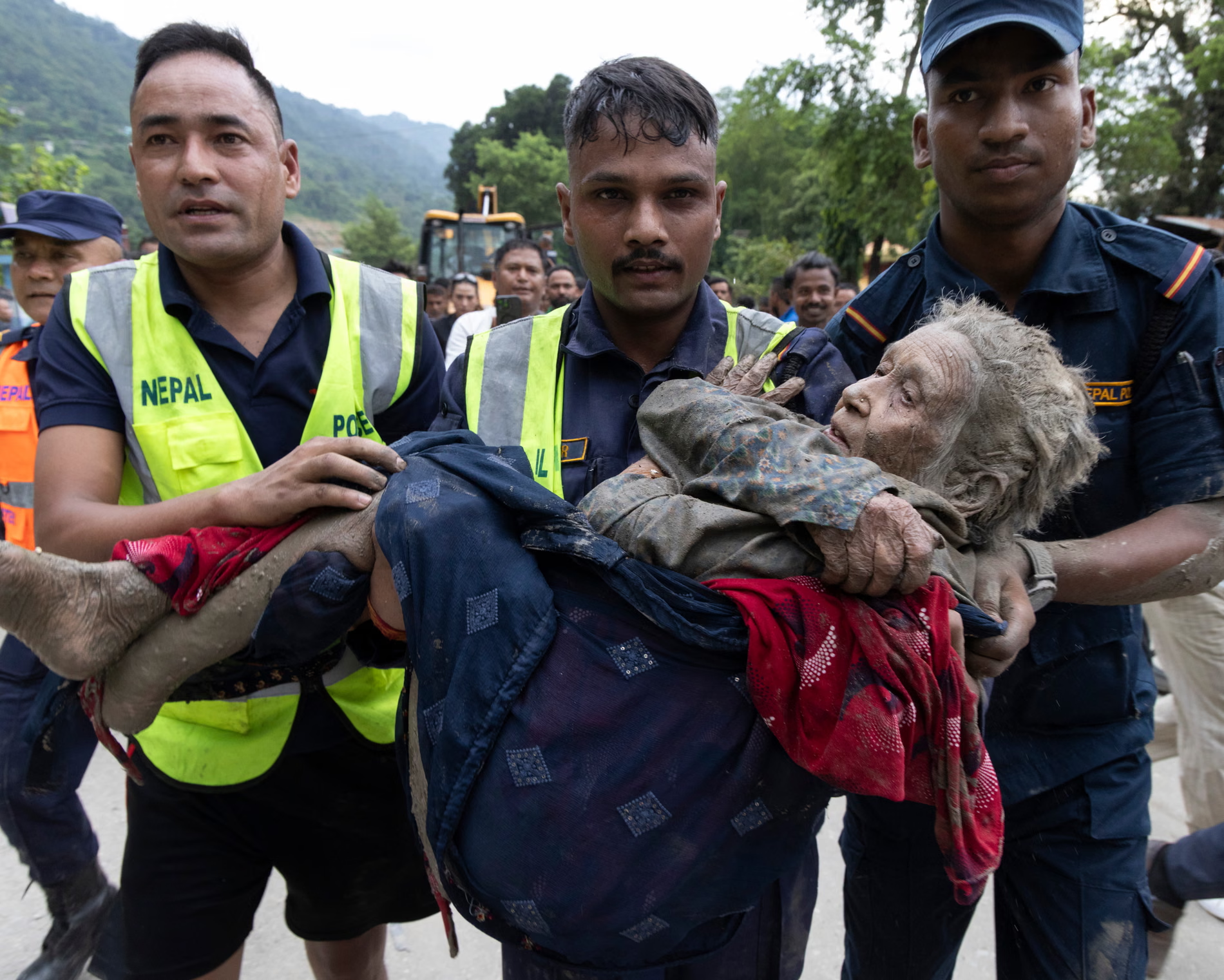

When natural disasters shatter entire communities, boundary lines fade, leaving behind a simple, urgent truth: human suffering demands immediate, compassionate action. Following weeks of torrential rains that triggered catastrophic flooding and deadly landslides across Nepal, the nation finds itself confronting one of its most severe humanitarian crises in recent memory.
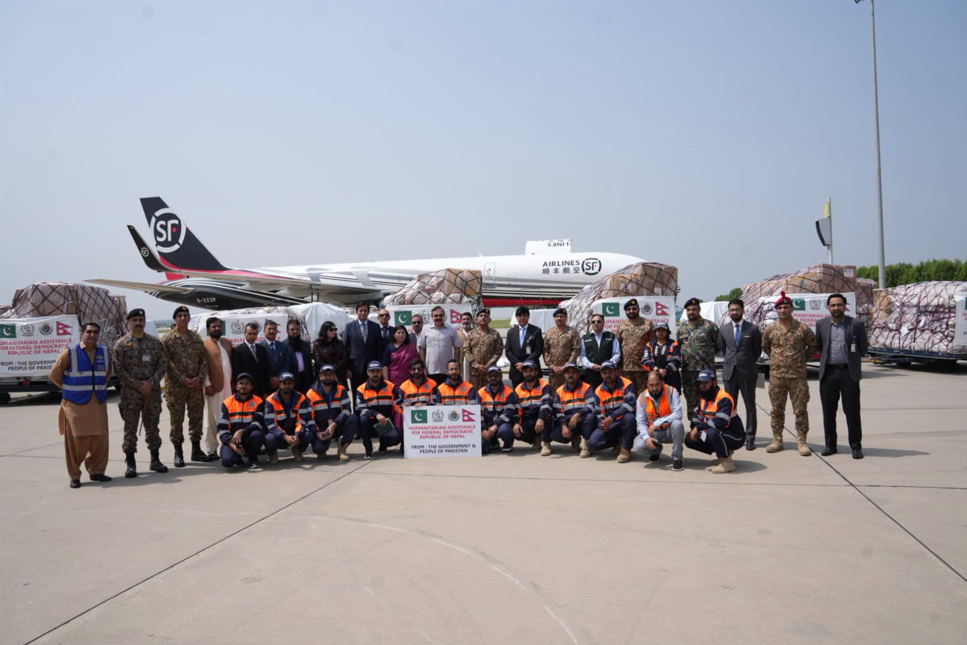
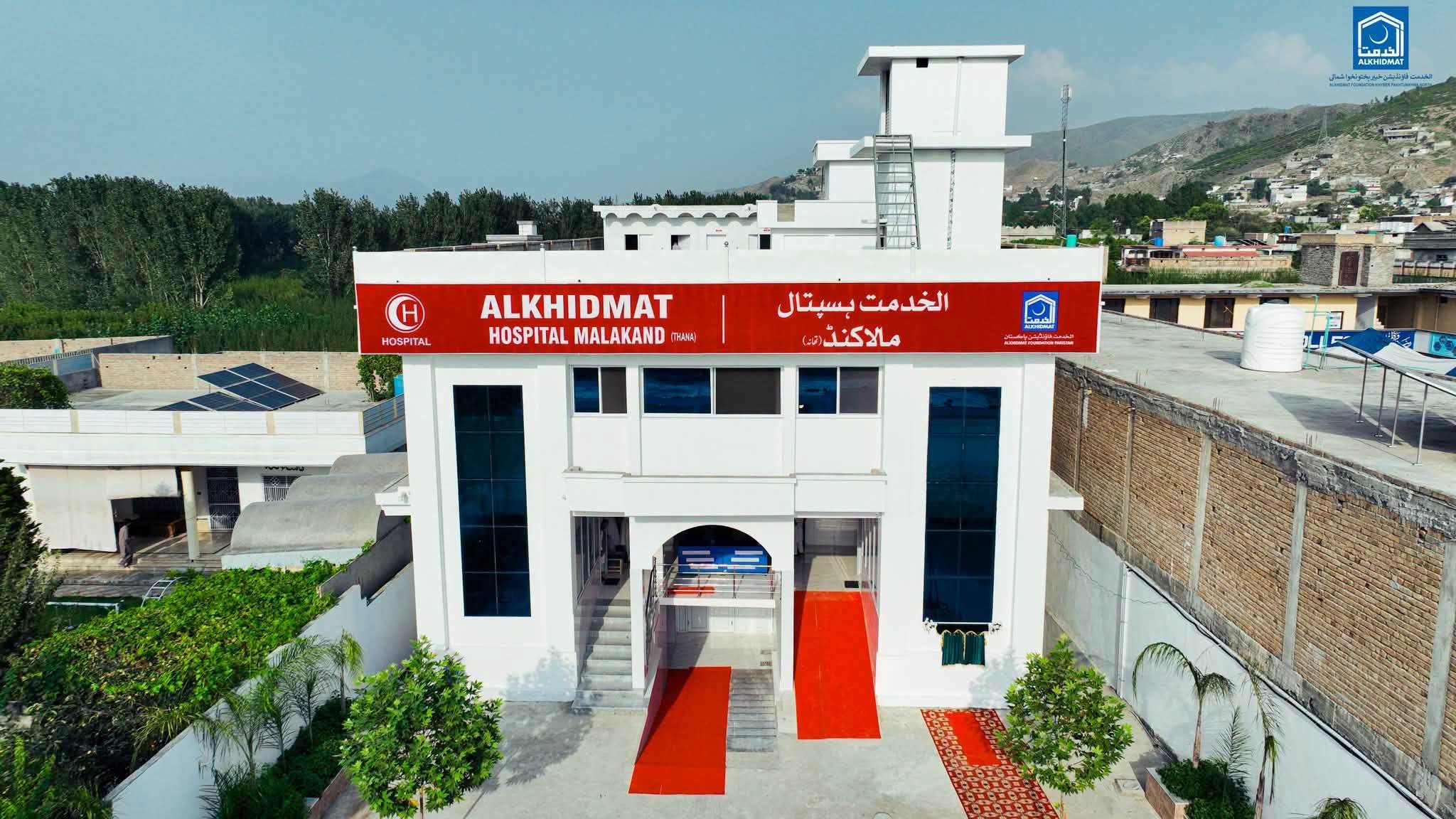
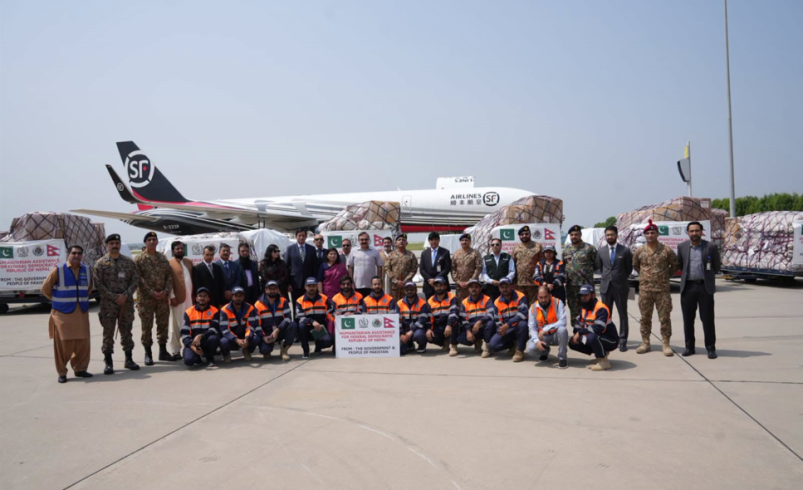
In a powerful display of regional solidarity, Alkhidmat Foundation Pakistan, working in close coordination with the National Disaster Management Authority (NDMA), has stepped up to offer a crucial lifeline. Together, they have mobilized and dispatched 100 tonnes of comprehensive humanitarian relief cargo directly from Islamabad to Kathmandu to support thousands of displaced families struggling to survive the aftermath.
The Human Toll: A Heartbreaking Crisis Unfolds
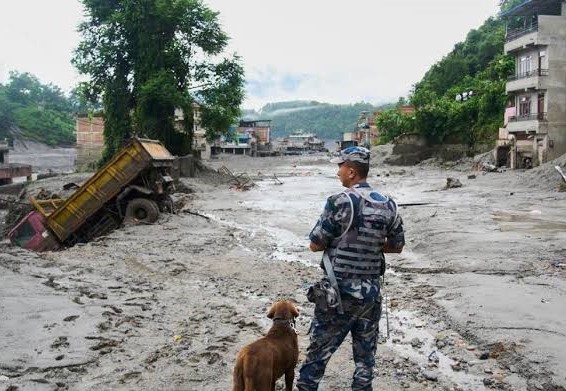
The physical and psychological toll on Nepal’s population is immense. Raging floodwaters and sweeping mudslides have torn through rural villages and dense urban settlements alike, leaving behind a trail of grief, loss, and widespread displacement.
The sheer scale of the disaster paints a grim picture:
-
Over 1,300 Lives Confirmed Lost: Rescuers working in extreme, treacherous conditions have recovered 1,341 bodies, with numbers continuing to rise as isolated zones become accessible.
-
Nearly 5,000 People Missing: Approximately 4,996 individuals remain unaccounted for, leaving desperate families waiting anxiously for answers amidst the wreckage.
-
Sweeping Infrastructure Destruction: Crucial roads, bridges, power grids, and water supply systems have been completely washed away, leaving entire regions cut off from basic healthcare and nutrition.
Local emergency teams and aid workers are pushing their physical limits daily, navigating unstable terrain, active landslide risks, and damaged transit networks in a race against time to pull survivors from the rubble and reach isolated pockets of the country.
An Anatomy of Aid: What’s Inside the 100-Tonne Shipment?
Providing meaningful assistance during an active emergency requires sending items that address immediate survival and long term protection. The 100 tonne cargo consignment sent from Pakistan was specifically curated to meet the critical priorities identified on the ground by emergency responders.
Key aid items in the relief package include:
-
Family Tents: Weather proof, durable shelters designed to provide privacy, dignity, and protection from severe weather for displaced households whose homes were destroyed.
-
Warm Blankets & Floor Mats: Essential bedding supplies to safeguard vulnerable individuals particularly young children and the elderly against exposure and damp ground conditions.
-
Sanitation & Hygiene Kits: Comprehensive personal hygiene supplies engineered to maintain cleanliness in temporary camps and prevent outbreak risks of waterborne diseases.
-
Life-Saving Medical Supplies: High-demand emergency pharmaceuticals, antibiotics, surgical dressings, and first-aid kits requested by local medical personnel facing severe supply shortages.
Leadership Unites at Islamabad International Airport
Before the heavy cargo planes departed for Kathmandu, a high-level send off ceremony was convened at Islamabad International Airport to officially dispatch the relief goods and emphasize Pakistan’s commitment to standing by its neighbor in times of trial.
Prominent official representatives and civil society leaders attended the event, including Muhammad Altaf Sher (President, Alkhidmat Foundation Islamabad Region), Dr. Tariq Fazal Chaudhary (Federal Minister for Parliamentary Affairs), and Lt. Gen. Inam Haider Malik (Chairman of the NDMA).
“When catastrophe hits on this scale, swift and coordinated logistics save lives. Our goal is to ensure that affected families in Nepal know they are not facing this long journey toward recovery alone. We are committed to standing alongside them with both immediate aid and continuous support.”
— Muhammad Altaf Sher, President, Alkhidmat Foundation Islamabad Region
The collaboration between Pakistan’s national disaster agency and one of its largest non governmental relief organizations highlights how public private partnerships can move quickly during complex international emergencies.
The Long Road Ahead: How You Can Support Recovery Efforts
Emergency aid drops provide critical initial relief, but the road to full rehabilitation for Nepal’s affected communities will take months, if not years. Rebuilding homes, restoring water systems, and restoring livelihoods require sustained commitment from the global community.


