

The Islamic month of Dhul-Hijjah holds a special place in the hearts of Muslims worldwide. Its first ten days are considered among the most blessed in the Islamic calendar, offering a unique window for spiritual reflection, increased worship, and righteous deeds. Both the Quran and Hadith emphasize their significance, urging believers to maximize their devotion during this sacred time.
The Divine Importance of These Days
The virtues of this period are highlighted in the Quran, specifically in Surah Al-Fajr, where Allah swears by the ten nights. Scholars widely interpret these as the first ten days of Dhul-Hijjah.
The Prophet Muhammad (peace be upon him) further solidified their status by stating:
There are no days on which righteous deeds are more beloved to Allah than these ten days. (Sahih Bukhari)
Significant Historical Events
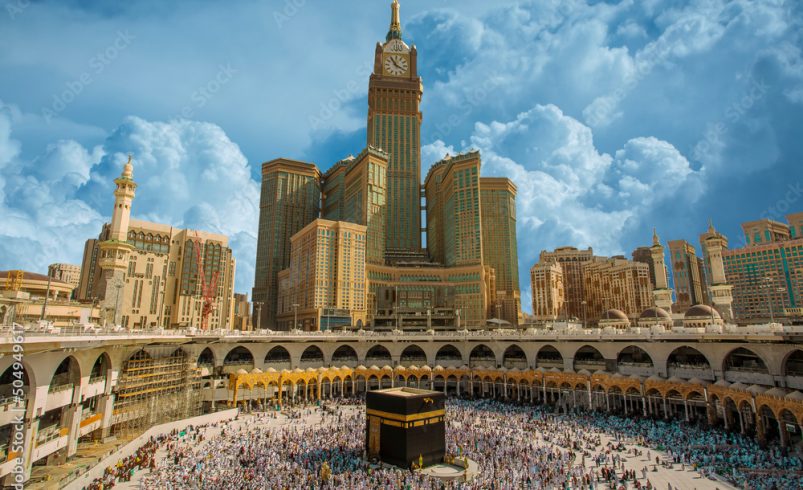
These ten days are the backdrop for some of the most pivotal moments in Islamic tradition. The Hajj pilgrimage, one of the Five Pillars of Islam, culminates during this time.
Two days stand out in particular:
-
The Day of Arafah (9th Dhul-Hijjah): Pilgrims gather at the Plain of Arafat to seek mercy and forgiveness.
-
Eid al-Adha (10th Dhul-Hijjah): A day of celebration and sacrifice for Muslims globally.
Recommended Actions and Deeds
To make the most of this blessed season, believers are encouraged to engage in specific acts of worship that carry immense rewards.
Fasting and Reflection
Fasting during the first nine days, especially on the Day of Arafah, is highly meritorious. The Prophet (peace be upon him) noted that fasting on Arafah expiates the sins of the previous year and the coming year. It serves as a profound opportunity for spiritual cleansing and renewal.
Increasing Devotion and Dhikr
This is a time to amplify your connection with Allah through:
-
Extra Prayers (Nawafil): Going beyond the obligatory to show extra devotion.
-
Recitation of the Quran: Immersing oneself in the divine word.
-
Dhikr: Frequently reciting Takbeer (Allahu Akbar), Tahleel (La ilaha illallah), and Tahmeed (Alhamdulillah).
The Power of Charity
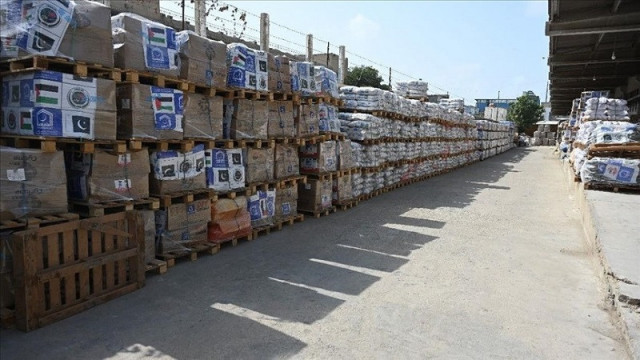
Giving to the needy and supporting community projects holds immense weight during this month. Charity does not decrease wealth; rather, it purifies it. Combining fasting with Sadaqah (charity) aligns perfectly with the spirit of sacrifice and empathy that Dhul-Hijjah encourages.
Additional Deeds to Consider
For those looking to deepen their practice, these specific acts carry heavy weight:
-
Performing Hajj: For those with the means, completing the pilgrimage fulfills a fundamental pillar of faith and brings immense spiritual rewards.
-
Offering Qurbani (Sacrifice): On Eid al-Adha, Muslims perform Qurbani to commemorate Prophet Ibrahim’s (Abraham) obedience to Allah. This act symbolizes total submission.
-
Sincere Repentance: Use these days for heartfelt Dua and Istighfar (seeking forgiveness). It is an ideal time to cleanse the soul and renew your commitment to your faith.
Conclusion
The first ten days of Dhul-Hijjah are a gift of mercy and opportunity. By fasting, increasing our worship, and performing acts of kindness, we can draw closer to the Creator and strengthen our community bonds. As these sacred days arrive, let us seize the moment to perform deeds that will benefit us in this life and the hereafter.