
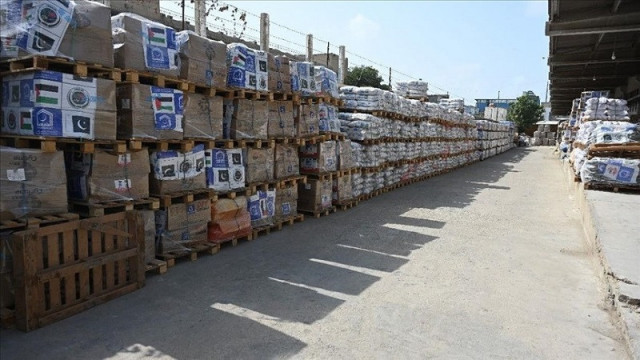

When disaster strikes or conflict tears through a region, humanity is stripped down to its absolute bare essentials. In those crucial moments, access to food, clean water, shelter, and medical care is not a luxury, nor is it a privilege reserved for a select few. Humanitarian assistance is a fundamental human right one that must be delivered without conditions, reservations, or discrimination.
This uncompromising principle took center stage in Lahore, where community leaders, human rights advocates, and media professionals gathered at the Alkhidmat Complex. The event, titled “Voice of Conscience,” was jointly hosted by the Alkhidmat Foundation Pakistan and the Union of NGOs of the Islamic World (UNIW) to commemorate World Humanitarian Day. Together, they delivered an urgent message: in times of crisis, our collective humanity must override every political, religious, and ethnic divide.
Aid Without Boundaries or Political Conditions
In an increasingly polarized world, humanitarian work faces unprecedented challenges. Relief efforts are far too often caught in the crosshairs of geopolitical strategy, weaponized by warring factions, or delayed by bureaucratic red tape.
Speakers at the Lahore panel stressed that aid cannot and must never be treated as a bargaining chip.
“Humanitarian assistance is a universal right that must be provided to people in crisis without discrimination based on political, religious or ethnic affiliations.”
When a flood sweeps away a village or bombardment destroys a neighborhood, the suffering of a child is identical regardless of which side of a border or political line they were born on. True humanitarianism demands an objective, impartial response driven strictly by human need.
Safeguard the Frontlines: Protecting the Vulnerable and the Responders
A major theme throughout the “Voice of Conscience” talk was the immediate, pressing need to secure safe passage for aid and ensure the safety of those operating on the frontlines. The discussion zeroed in on two critically vulnerable groups:
-
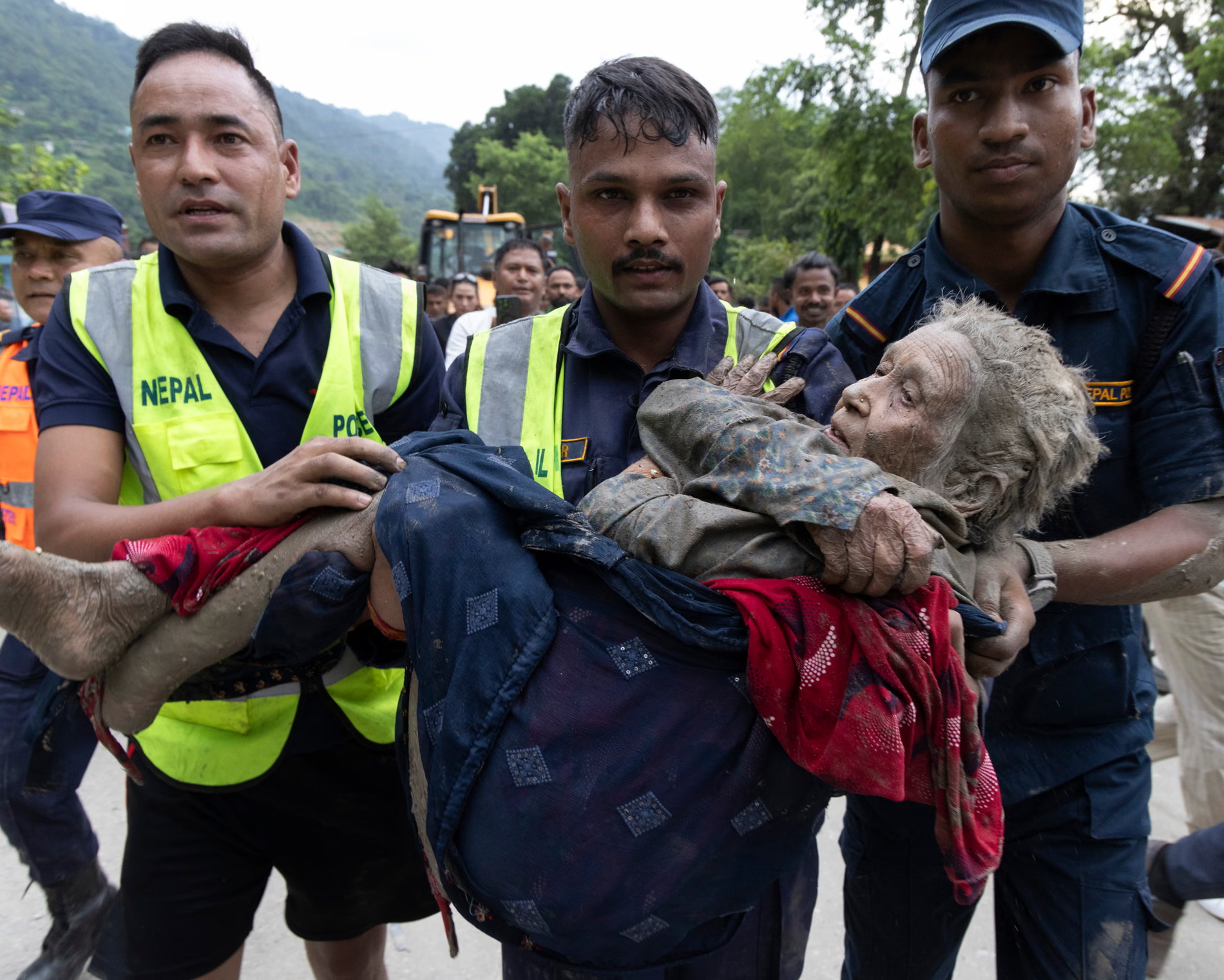
Displaced and At-Risk Communities: Women, children, the elderly, and persons with disabilities are historically the hardest hit during disasters. Ensuring they receive rapid, dignified support requires unhindered physical and political access to crisis zones.
-
Frontline Aid Workers: Relief personnel routinely venture into unstable, hostile environments to save lives. Attacks on humanitarian corridors and first responders represent a severe violation of international principles, threatening the entire lifeline supplied to affected regions.
Organizations like the Alkhidmat Foundation and UNIW are actively pushing international bodies and local authorities to uphold legal protections, ensuring that relief workers can operate without fear of targeted violence or obstruction.
Reclaiming Our Shared Humanity
World Humanitarian Day serves as a critical annual checkpoint, but the work required demands continuous commitment. Events like the “Voice of Conscience” media talk remind us that staying passive in the face of human suffering diminishes our shared moral standing.
Protecting vulnerable populations and enabling humanitarian access is not merely an operational task for NGOs it is a global moral duty. When we champion neutral, unrestricted aid, we defend basic human dignity for everyone, everywhere. As crises become more complex and widespread, the mandate from Lahore remains undeniable: humanity must always come first.


