
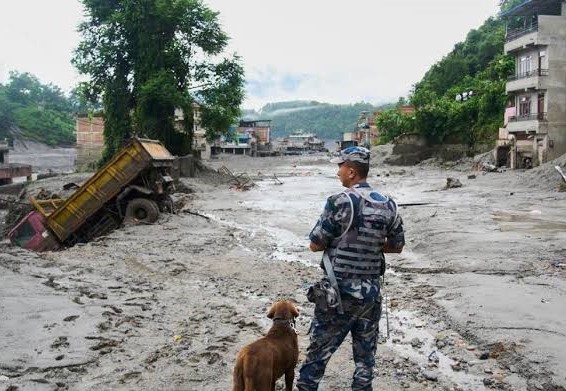
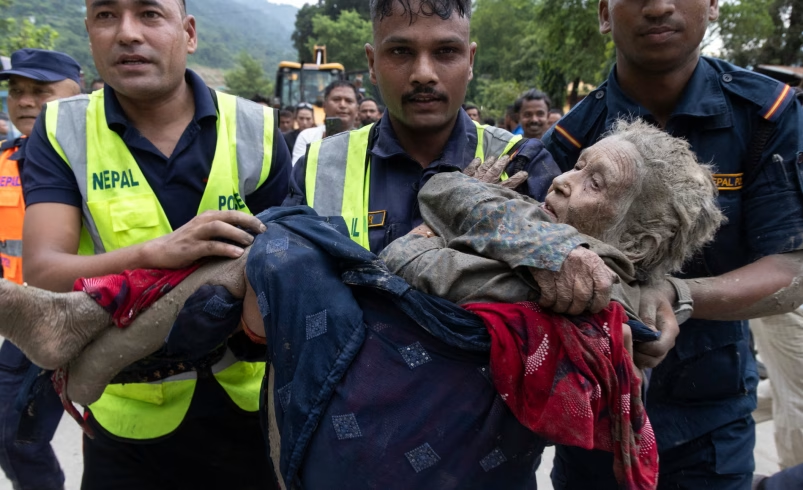

On the morning of August 26, 2026, a tranquil morning in the high Himalayas turned into a landscape of terrifying destruction. At approximately 08:37 NPT (02:52 UTC), a wall of water, mud, and debris roared down the Trishuli River basin. The flash floods struck dozens of mountain settlements across Nepal’s Rasuwa and Nuwakot districts and completely battered the Gyirong Port area along the China–Nepal border a vital lifeline for cross border trade and regional tourism.
With hundreds confirmed dead, over a thousand people missing, and major trade infrastructure wiped out, communities across both sides of the border are facing one of the most severe natural disasters to hit the region in modern history. Official flood warnings remain active downstream across Rasuwa, Nuwakot, Dhading, Gorkha, and Chitwan districts.
Anatomy of a Disaster: What Triggered the Deluge?
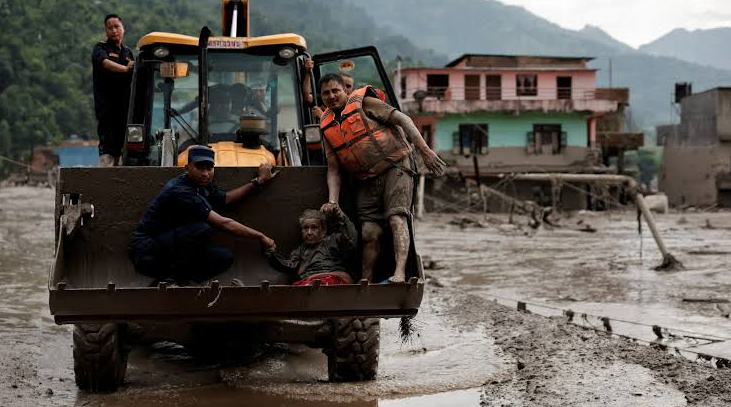
In the immediate aftermath, wild theories began to surface, ranging from localized seismic activity to claims that ecological destruction near the Nepal-Tibet border was at fault. Nepalese Foreign Minister Shisir Khanal initially reported that an earthquake had triggered an avalanche, blocking the Lhende Khola river a major tributary originating in Gyirong County, Tibet and forming a temporary glacial lake that subsequently collapsed.
However, scientific data quickly painted a far more complex picture of a cataclysmic glacial collapse:
Seismic Signals: The United States Geological Survey (USGS) analyzed long-period seismic waves and confirmed an event measuring $M_s\ 5.2$ centered between Langtang Lirung and Langtang National Park. The signal pattern was characteristic of a massive landslide rather than a traditional tectonic earthquake.
The Massive Collapse: Satellite data revealed that a section of a glacier measuring roughly 2,000 feet (610 m) wide sheerly broke away, plummeting nearly 4,000 feet (1,200 m) into the valley below about 40 miles north of Kathmandu.
Frictional Melting: Geomorphologists suspect the sheer kinetic energy and velocity of the collapse generated enough heat to instantly melt vast quantities of ice. The resulting high-velocity water displacement created a massive surge that swept down the valley, reaching heights up to 270 feet (80 m) above the normal riverbed level.
Timing the Surge: About seven minutes after the GFZ Helmholtz Centre recorded a preliminary 4.4 magnitude impact event, timestamped CCTV footage at Gyirong Port captured the first wave destroying border facilities.
The Human Toll and International Impact
Because the floods struck during peak travel and pilgrimage season, the loss of life has extended far beyond the local population.
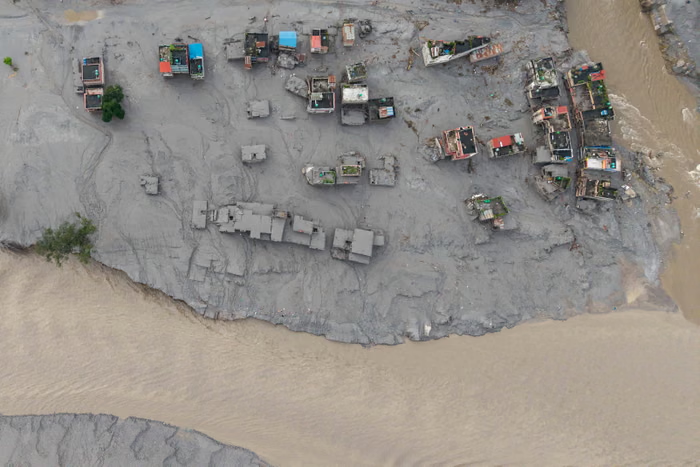
Nepal: At least 270 confirmed deaths and more than 826 missing individuals. Among the missing are 644 foreign tourists, including 105 Indian nationals, 65 Americans, 53 Ukrainians, 51 Malaysians, 35 Australians, 33 British citizens, and 24 Canadians. Dozens of security personnel—including 26 police officers, 9 Armed Police Force members, and 44 Nepal Army personnel were also swept away.
China (Tibet Autonomous Region): State broadcaster CCTV reported 3 confirmed fatalities and 558 people missing (including 260 foreigners) in Gyirong County.
Severe Infrastructure Collapse
The physical destruction along the Trishuli River corridor has crippled communication, energy generation, and transport links across central Nepal and into Tibet.
Roads and Bridges: The Nepal Roads Department reported an initial loss of 15 billion rupees, with at least 19 major bridges and 40 kilometers of key highway destroyed. The crucial road connecting Syafrubesi and Rasuwagadhi was completely washed out.
Border Trade: The Rasuwagadhi customs office and Gyirong Port border crossing a primary arterial gateway for cross border commerce were described as “completely destroyed.”
Power Grid Crisis: Six key hydroelectric and transmission assets suffered critical structural damage, including Rasuwagadhi, Chilime, Trishuli 3A, Trishuli Hydropower Station, Devighat Hydropower Station, and the Trishuli 3B Hub 220 kV substation.
The Emergency Relief Operations
Relief agencies and government forces have launched a massive coordination campaign to reach isolated mountain pockets:
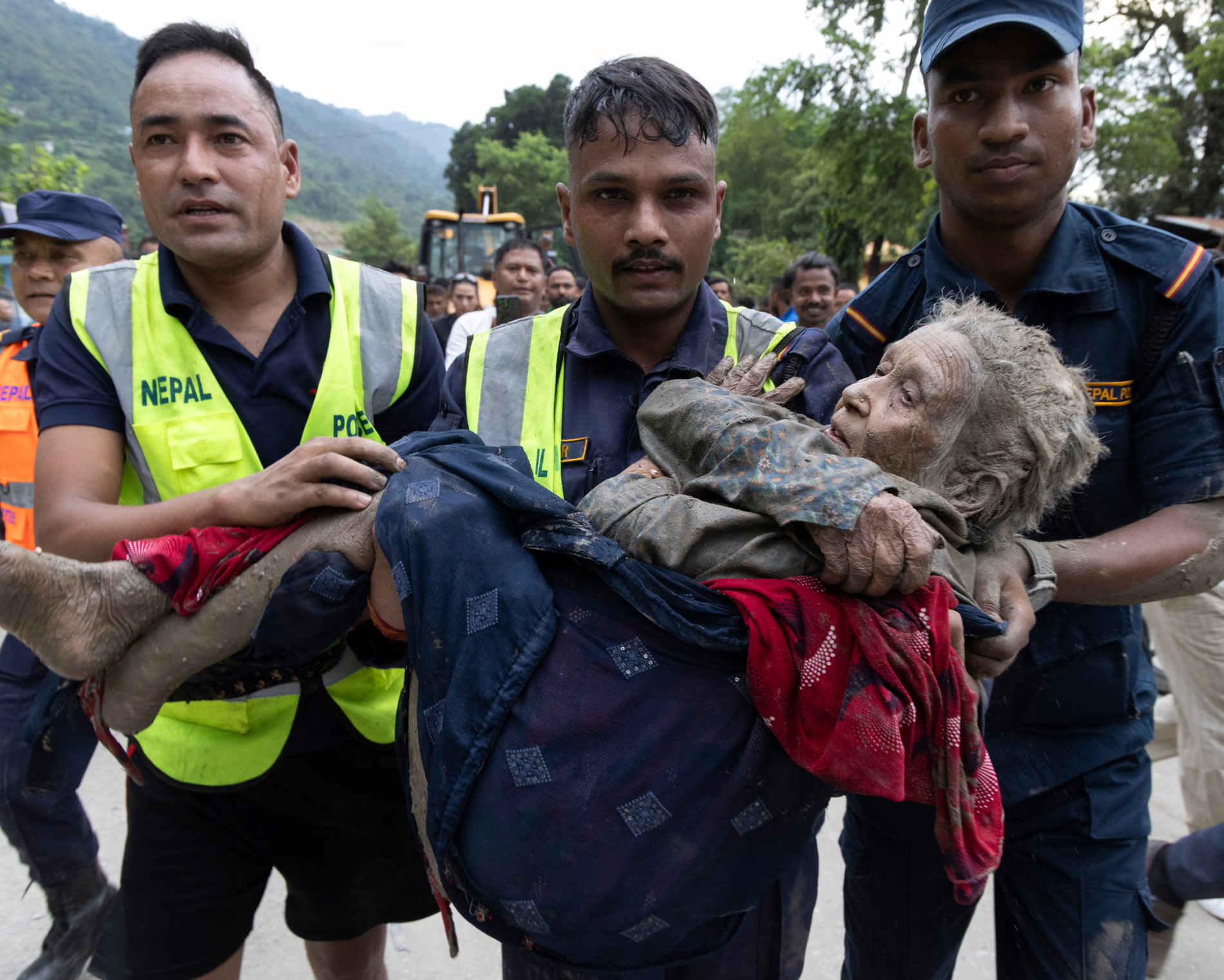
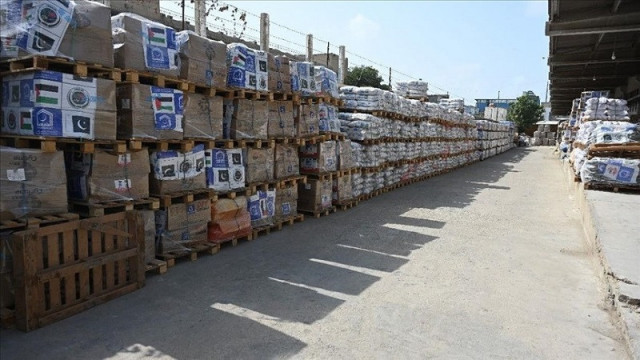
Nepal’s Response: The Nepal Army, Armed Police Force, and Nepal Police have deployed helicopters, medical teams, and search units. Over 88 individuals were rescued by air in the opening 24 hours. Work has begun on installing heavy bailey bridges to reopen supply lines.
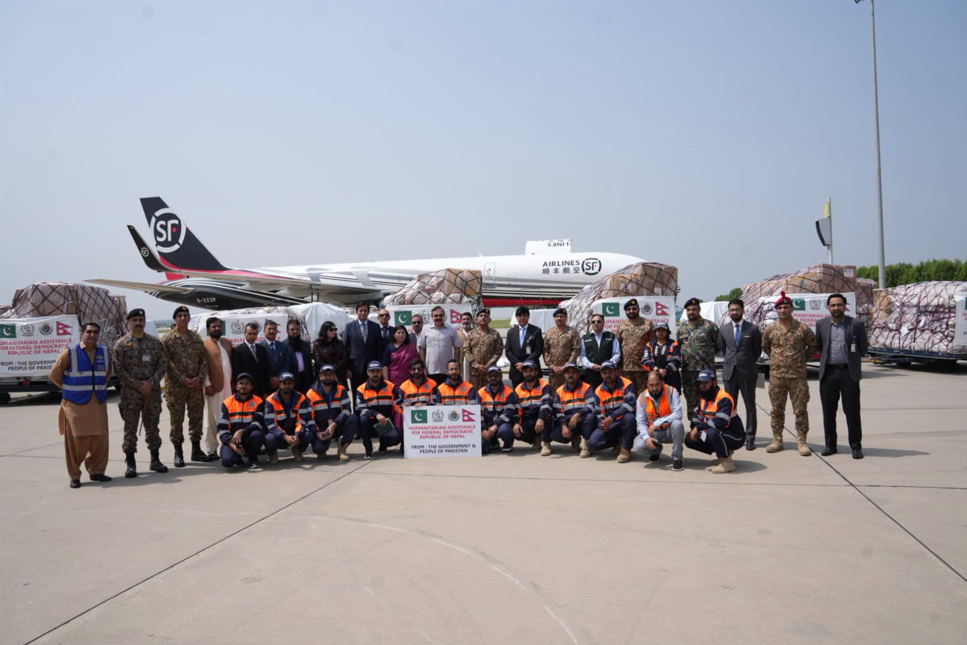
International Aid: Indian Prime Minister Narendra Modi reached out to Nepalese Prime Minister Balendra Shah to offer full support, with India airlifting 50 tonnes of humanitarian aid and medical supplies. The United States pledged $500,000 alongside technical disaster advisors, while the UN activated emergency supply teams.
Chinese Response: President Xi Jinping directed immediate rescue pushes across Tibet, where local authorities mobilized nearly 800 emergency personnel, 150 vehicles, sniffer dogs, and speedboats to search the border waterways. The International Charter on Space and Major Disasters was also activated to provide satellite imagery to field teams.


