
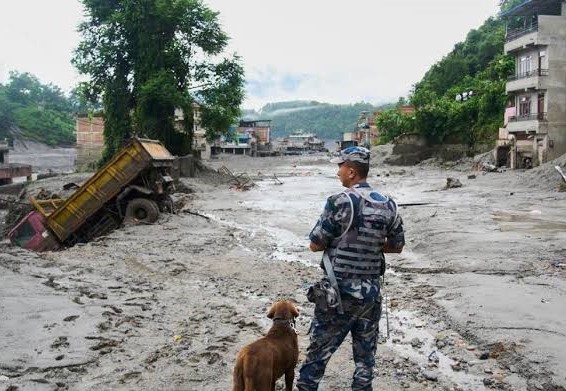
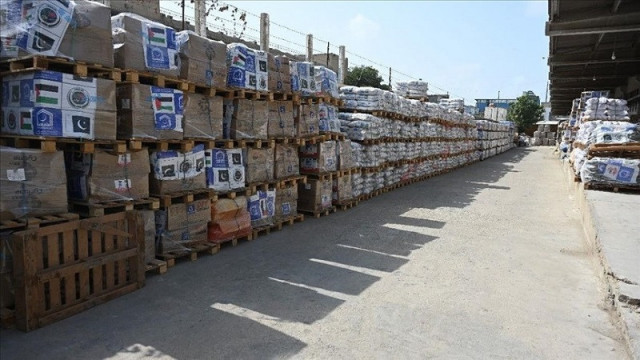


The devastating floods across Pakistan have upended millions of lives, causing widespread destruction. From destroyed farmlands and collapsed infrastructure to disrupted education and a struggling national economy, communities across the country face an unprecedented crisis. Yet, amid this overwhelming tragedy, Alkhidmat Foundation Pakistan continues to work on the front lines to restore hope, dignity, and stability to those affected.
According to Alkhidmat’s comprehensive report, ALKHIDMAT FLOOD RESPONSE, released on September 10, 2022, the floods claimed 1,396 lives and displaced an estimated 33 million people, turning vast stretches of the country into open waters and leaving millions without shelter or basic necessities.
Frontline Courage: Rescue Operations Against the Odds
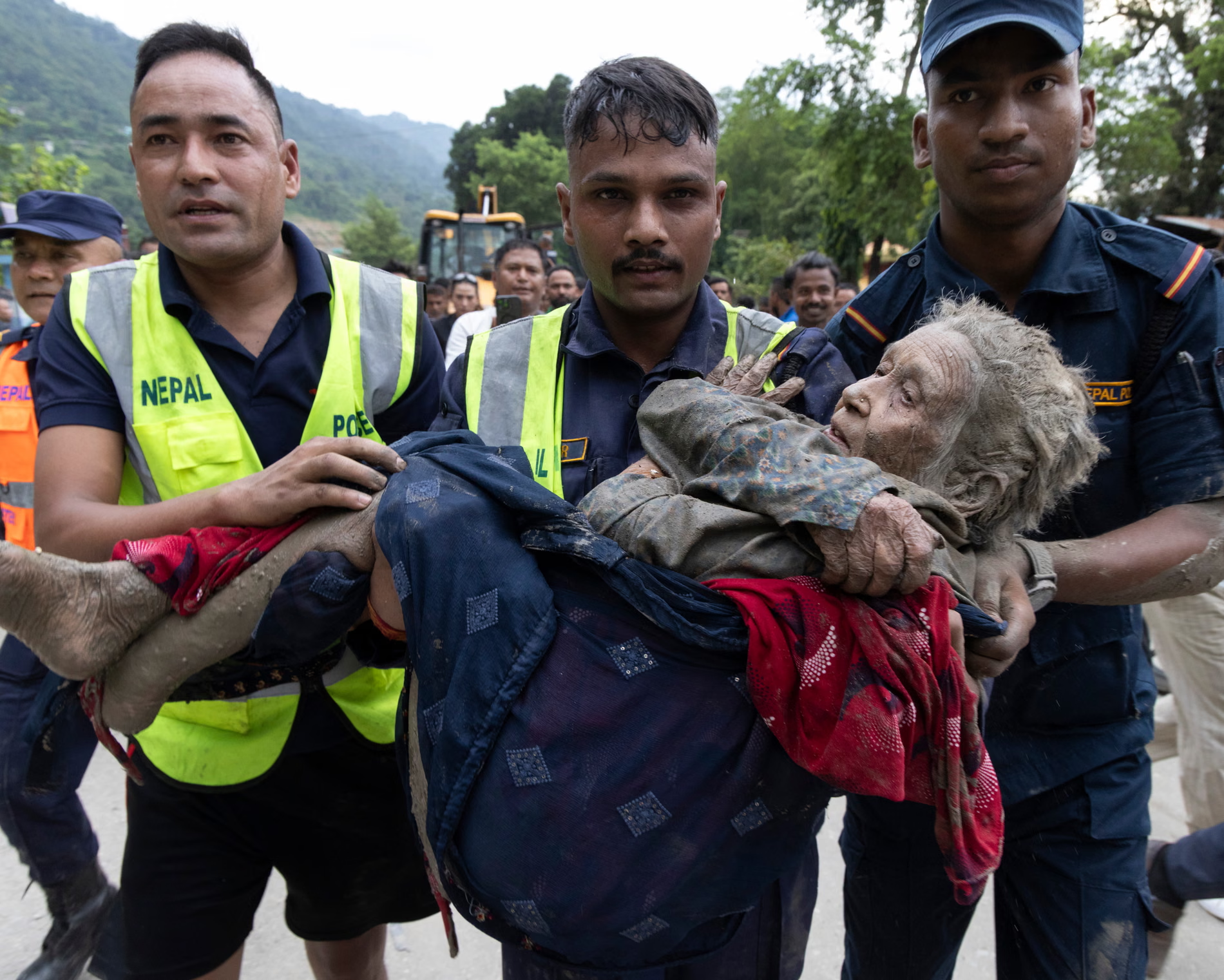
From the early hours of the deluge, Alkhidmat’s dedicated volunteers and emergency teams faced raging floodwaters to rescue stranded families. Driven by compassion and bravery, these rescue workers navigated high-risk red zones to pull vulnerable men, women, and children out of immediate danger.
Using a structured disaster mitigation strategy, Alkhidmat combined early warnings, strategic planning, and tactical field execution to minimize the loss of human life. Using motorized rescue boats, teams penetrated deeply submerged villages to transport isolated residents to dry ground, ensuring that emergency relief reached those cut off from mainstream transportation networks.
Life-Saving Emergency Aid and Field Statistics
Restoring stability requires addressing immediate physical needs—shelter, nutrition, and medical attention. Alkhidmat’s frontline operations have delivered substantial, measurable relief directly to the impacted populations:
Dignified Temporary Shelter
With over 1.7 million displaced individuals losing their homes, secure shelter remains a critical priority. Alkhidmat has established 23 fully equipped tent villages across the hardest-hit regions, offering displaced families a safe, weather-resistant environment to rest, sleep, and recover.
Emergency Medical Camps
Stagnant floodwaters create severe public health hazards, rapidly spreading waterborne and vector-borne illnesses. To address this risk, Alkhidmat set up 317 emergency medical camps across flood-affected zones.
Medical staff and volunteers provided healthcare checks, essential medications, and emergency treatment to 76,270 patients, addressing widespread conditions such as:
-
Cholera, dysentery, and acute diarrhea
-
Dengue fever and malaria
-
Skin infections and waterborne rashes
-
Snake bites and acute physical injuries
Basic Provisions and Food Security
Alongside shelter and medical aid, Alkhidmat teams have continuously distributed thousands of dry food rations, clean drinking water, hygiene kits, and essential clothing to ensure families do not suffer from severe hunger or dehydration while residing in temporary settlements.
Sustainable Recovery: Strategic Partnerships for Tomorrow
Natural disasters leave behind long-term destruction that short-term relief alone cannot fix. Recognizing this reality, Alkhidmat Foundation’s leadership has actively engaged in high-level strategic planning, hosting collaborative meetings with both national and international humanitarian organizations. These partnerships aim to transition the response from emergency rescue to sustainable, long-term rehabilitation.
Alkhidmat’s ultimate goal extends beyond emergency assistance: it focuses on rebuilding destroyed homes, restoring clean water supply systems, repairing local schools, and helping families regain their financial independence.
Stand with Pakistan: How You Can Help
The road to recovery is long, and no single entity can manage a crisis of this scale alone. Alkhidmat Foundation serves as a vital bridge between those who wish to help and the communities struggling to rebuild their lives.
You can support these ongoing efforts and make a direct impact on a family’s journey back to normalcy by:
-
Donating generously to support shelter, food, and medical rehabilitation programs
-
Volunteering your time and skills on the ground or in logistics and coordination
-
Raising awareness about the ongoing needs of displaced communities
Together, we can help restore the lives, livelihoods, and communities affected by this disaster.


