

Smog Is Arriving Before Winter
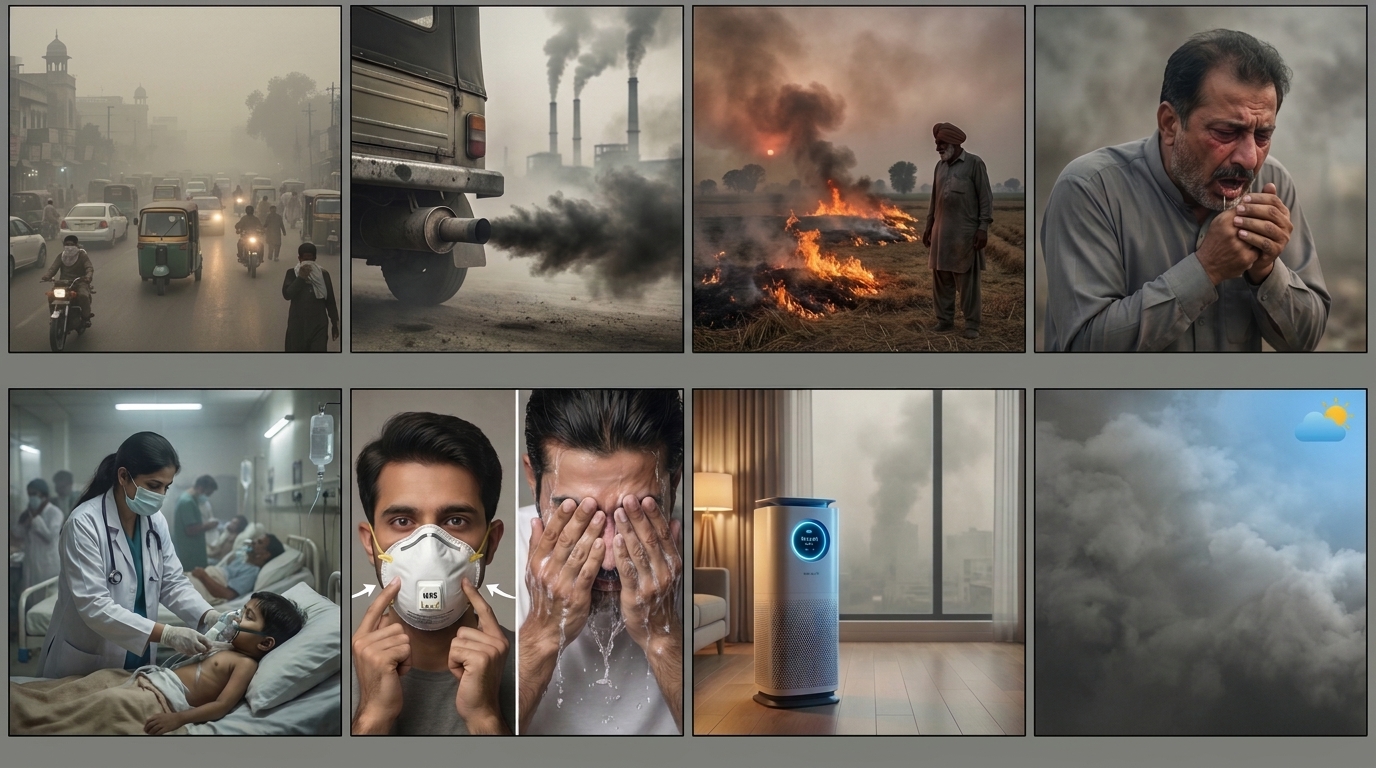
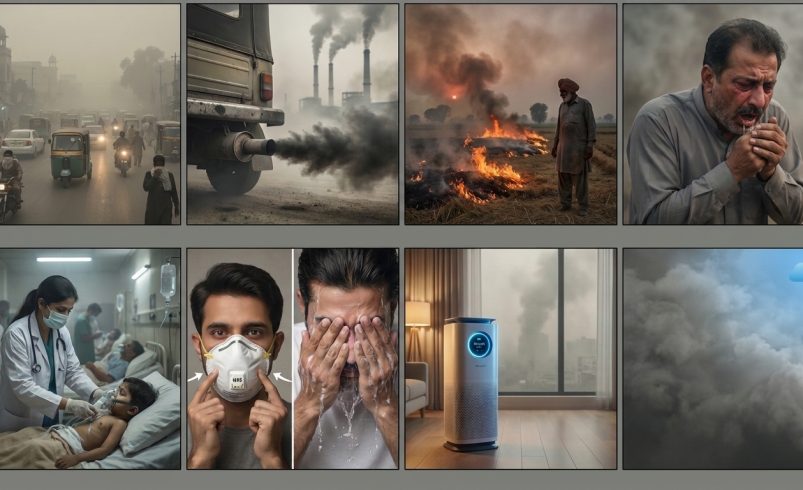
Winter may still feel weeks away, but the grey haze covering Lahore and other cities across Punjab signals that smog season has already begun. Clear skies gradually disappear, visibility drops, and the air develops a heavy quality that can make even ordinary breathing uncomfortable.
Smog is not simply a seasonal inconvenience or a change in the weather. It is a serious air-pollution problem that affects public health, education, transport, productivity, and everyday life. For families living in heavily polluted areas, the return of smog means worrying about children travelling to school, elderly relatives developing breathing difficulties, and workers spending long hours outdoors.
Although Pakistan’s smog crisis cannot be resolved overnight, understanding its causes can help people make safer decisions. Personal precautions are important, but meaningful improvement also depends on cleaner transport, responsible industrial practices, effective environmental regulations, better waste management, and long-term urban planning.
Winter may still feel weeks away, but the grey haze covering Lahore and other cities across Punjab signals that smog season has already begun. Clear skies gradually disappear, visibility drops, and the air develops a heavy quality that can make even ordinary breathing uncomfortable.
What Is Smog?
Smog is a dense layer of polluted air created when fine particles, smoke, gases, dust, and other pollutants accumulate near the ground. One of its most dangerous components is fine particulate matter, commonly known as PM2.5. These particles are extremely small and can travel deep into the lungs and potentially enter the bloodstream.
Smog becomes particularly severe when calm weather, low wind speeds, humidity, and temperature inversions prevent pollutants from dispersing. During a temperature inversion, a layer of warmer air traps cooler, polluted air close to the ground. As emissions continue to build, air quality can deteriorate quickly.
This is why pollution may remain over a city for several days, even when there is no visible fire or major environmental incident nearby.
What Causes Smog in Pakistan?
Pakistan’s air-pollution problem comes from several interconnected sources. No single activity is entirely responsible, and lasting improvement requires action across multiple sectors.
Vehicle Emissions
Cars, motorcycles, buses, rickshaws, and heavy vehicles release exhaust containing harmful gases and fine particles. Older vehicles, poorly maintained engines, low-quality fuel, and traffic congestion can significantly increase emissions.
In large cities, thousands of vehicles remain on the roads for long periods because of congestion. Engines continue burning fuel even when traffic is barely moving, worsening roadside pollution and exposing commuters, pedestrians, traffic police, vendors, and delivery workers.
Industrial Pollution
Factories and industrial units may release smoke, gases, and particles into the atmosphere. Where environmental standards are not properly monitored or enforced, industrial emissions can contribute substantially to poor air quality.
Cleaner production methods, functioning emission-control systems, regular inspections, and transparent monitoring are necessary to reduce industrial pollution.
Brick Kilns
Traditional brick kilns are another important source of smoke and particulate pollution. Cleaner kiln technologies can reduce emissions, but their effectiveness depends on proper installation, operation, monitoring, and regulatory compliance.
Crop-Residue Burning
After harvesting, agricultural waste is sometimes burned to clear fields quickly for the next crop. The resulting smoke can travel across districts and borders, especially under unfavourable weather conditions.
Farmers require practical and affordable alternatives for crop-residue management. Simply banning the practice without providing equipment, incentives, training, and workable solutions may not produce sustainable results.
Construction and Road Dust
Construction sites, uncovered building materials, damaged roads, unpaved areas, and demolition work release large quantities of dust. Heavy traffic repeatedly lifts settled dust back into the air.
Covering construction materials, controlling dust at worksites, repairing roads, washing high-dust areas where appropriate, and enforcing construction standards can help reduce exposure.
Waste and Fuel Burning
Burning household rubbish, plastic, leaves, tyres, and other waste releases harmful substances into the air. The use of dirty fuels for cooking, heating, or commercial activities can also contribute to indoor and outdoor pollution.
Improved waste collection and public awareness are essential because unmanaged waste is more likely to be burned in streets, open plots, and residential areas.
Does Climate Change Cause Smog?
Climate change can influence weather patterns, temperature, rainfall, and atmospheric conditions that affect how pollution accumulates. However, it is not the only cause of smog.
Most smog-forming pollutants come from identifiable human activities, including transport, industry, waste burning, energy use, construction, and agriculture. Climate conditions may intensify or prolong pollution episodes, but reducing emissions at their source remains one of the most important solutions.
How Smog Affects Human Health
Smog can affect almost everyone, but the level of risk depends on air quality, duration of exposure, physical activity, age, and existing health conditions.
Common short-term symptoms may include:
- Burning, itching, or watery eyes
- Irritation of the nose and throat
- Persistent coughing
- Headaches or dizziness
- Shortness of breath
- Chest discomfort
- Wheezing
- Unusual tiredness
- Worsening asthma symptoms
Long-term exposure to polluted air is associated with more serious health concerns, including chronic respiratory illness, cardiovascular disease, stroke, reduced lung function, and an increased risk of premature death.
Children are especially vulnerable because their lungs are still developing and they breathe more air in relation to their body weight. Older adults, pregnant women, outdoor workers, and people with asthma, heart disease, or chronic lung conditions may also face greater risks.
Anyone experiencing severe breathing difficulty, chest pain, confusion, fainting, or bluish lips should receive urgent medical attention.
The Human Cost of Smog
Air-quality statistics do not fully explain what it feels like to live through months of polluted air.
For a student, smog may mean missing school, sports, examinations, or important classroom activities because of illness or closures. For a parent, it may mean staying awake at night while a child struggles with coughing or asthma. For an outdoor worker, it may mean choosing between protecting personal health and earning enough to support a family.
Street vendors, construction workers, traffic wardens, sanitation staff, delivery riders, security guards, and daily-wage labourers often spend hours outside with limited access to protective equipment or cleaner indoor spaces.
Smog also creates financial pressure. Families may need to pay for medical consultations, medicines, masks, air purifiers, transport, or time away from work. Schools and businesses may experience closures or reduced attendance, while hospitals face additional pressure from patients with respiratory and eye-related complaints.
Clean air is therefore not only an environmental concern. It is connected to health, education, employment, equality, and quality of life.
How to Protect Yourself During Smog Season
Personal precautions cannot solve the wider pollution crisis, but they can reduce exposure and help families respond more safely.
Check the Air Quality Index
Check the Air Quality Index, or AQI, before leaving home or planning outdoor activities. Use reliable government portals, weather services, or recognised air-quality monitoring platforms.
Air quality can change throughout the day. If pollution reaches unhealthy levels, reduce unnecessary travel and avoid strenuous outdoor exercise, particularly near busy roads.
People with respiratory or heart conditions should follow medical advice and keep prescribed medication available.
Wear a Protective Respirator
When outdoor air is polluted, a genuine and properly fitted N95, KN95, or FFP2 respirator can help filter fine airborne particles.
The mask should fit closely around the nose, cheeks, and chin without large gaps. Facial hair, an incorrect size, or loose straps may reduce protection. Replace the respirator if it becomes dirty, damaged, wet, difficult to breathe through, or no longer fits properly.
Cloth masks and loose surgical masks generally provide less protection against fine pollution particles. Respirators also do not block every harmful gas, so wearing one should be combined with reduced exposure.
Reduce Outdoor Activity
Avoid jogging, cycling, sports, and other strenuous outdoor activities when the AQI is poor. Physical exertion causes faster and deeper breathing, which can increase the amount of polluted air entering the lungs.
If travel is necessary, try to avoid peak traffic hours and heavily congested roads. Choose less crowded routes where possible and limit the time spent outdoors.
Create a Cleaner Indoor Environment
Remaining indoors can reduce exposure, but indoor air must also be managed carefully.
When outdoor pollution is severe:
- Keep windows and doors closed where practical.
- Use a suitable air purifier with a HEPA filter if available.
- Clean or replace filters according to the manufacturer’s instructions.
- Avoid smoking or vaping indoors.
- Do not burn rubbish, incense, leaves, plastic, or other materials.
- Use damp cloths and wet mopping instead of dry dusting or sweeping.
- Reduce activities that generate smoke or excessive fumes.
- Seal obvious gaps around doors and windows where possible.
Ventilation is still important under suitable conditions. When outdoor air improves, briefly ventilating the home may help prevent excessive indoor humidity and stuffiness.
Protect Children and Older Adults
Move children’s games and exercise indoors on highly polluted days. Follow school and local-government advisories and watch for symptoms such as coughing, wheezing, tiredness, eye irritation, or difficulty breathing.
Check regularly on elderly relatives and people with asthma, heart disease, or lung conditions. Do not dismiss worsening symptoms as an ordinary seasonal illness.
What Communities Can Do
Communities can contribute to cleaner air through practical local action.
Residents can report waste burning, avoid burning leaves or rubbish, support responsible waste disposal, and discourage unnecessary vehicle idling. Schools and workplaces can share reliable AQI information, provide cleaner indoor spaces, and adjust outdoor schedules during severe pollution episodes.
Neighbourhood groups can also organise awareness activities, support urban plantation, care for existing trees, and encourage environmentally responsible behaviour.
Trees can improve urban environments by providing shade, supporting biodiversity, reducing heat, and capturing some pollutants. However, plantation alone cannot eliminate smog. Trees must be protected and maintained, while pollution from vehicles, industry, waste burning, construction, and fuel use must be reduced at the same time.
What Authorities and Institutions Need to Do
Smog requires coordinated action rather than short-term emergency measures taken only when pollution becomes visible.
Important priorities include:
- Regular vehicle-emission testing
- Improved fuel quality
- Expansion of reliable public transport
- Transition to cleaner vehicles and energy
- Continuous industrial-emission monitoring
- Stronger enforcement of environmental standards
- Modernisation and inspection of brick kilns
- Better construction-dust controls
- Alternatives to crop-residue burning
- Reliable waste collection and recycling
- More air-quality monitoring stations
- Public access to accurate environmental data
- Health-response plans for severe pollution
- Cooperation between provinces and neighbouring countries
Air pollution does not recognise city, provincial, or national boundaries. Pollutants can travel over long distances, making regional monitoring and cooperation essential.
The Role of Schools and Workplaces
Schools should have clear procedures for responding to dangerous air-quality levels. These may include moving activities indoors, limiting assemblies and sports, improving classroom filtration, educating students about air pollution, and supporting children with asthma or other medical needs.
Employers should also protect workers, especially those working outdoors. Measures may include suitable respirators, regular breaks in cleaner-air spaces, adjusted working hours, health guidance, and reduced exposure during severe pollution episodes.
Protecting workers from hazardous air should be treated as a workplace health and safety responsibility.
Young People Can Support Cleaner Air
Students and young people can play a meaningful role by sharing verified information, avoiding waste burning, using transport responsibly, caring for planted trees, participating in environmental activities, and encouraging their families to monitor air quality.
Schools and universities can support student-led research, awareness campaigns, recycling programmes, clean-transport initiatives, and discussions about practical environmental solutions.
The goal is not to place responsibility for a national pollution crisis on individuals. It is to help people understand how daily choices, community participation, institutional accountability, and public policy must work together.
Clean Air Should Not Be a Luxury
Smog changes how people travel, study, work, exercise, and care for their families. It places the greatest burden on people who are already vulnerable and who may have the fewest resources to protect themselves.
Checking the AQI, using an appropriate respirator, reducing outdoor exposure, and keeping indoor air cleaner can help during periods of severe pollution. However, personal precautions are only temporary protection.
Pakistan needs cleaner transport, responsible industry, effective waste management, sustainable agriculture, stronger environmental enforcement, transparent monitoring, and long-term urban planning.
Breathing clean air should not depend on whether a family can afford an air purifier or leave a polluted city. It is a basic public-health need and a shared responsibility. Addressing smog will require consistent action throughout the year, not only when the sky turns grey.


