

When disasters strike, the headlines always focus on the immediate rush to help and for good reason. Food trucks roll in, supplies get unloaded, and emergency tents pop up overnight.
But what happens on day two? Or week three?
Once the initial rush slows down, a far quieter and much harder reality sets in. Hundreds or thousands of uprooted families are suddenly forced to live together in a temporary space. Without proper structure, even well-intentioned relief efforts can quickly descend into chaos. Water lines run dry in one area while surplus supplies sit unused in another, and the most vulnerable people—children, the elderly, and women—often get lost in the noise.
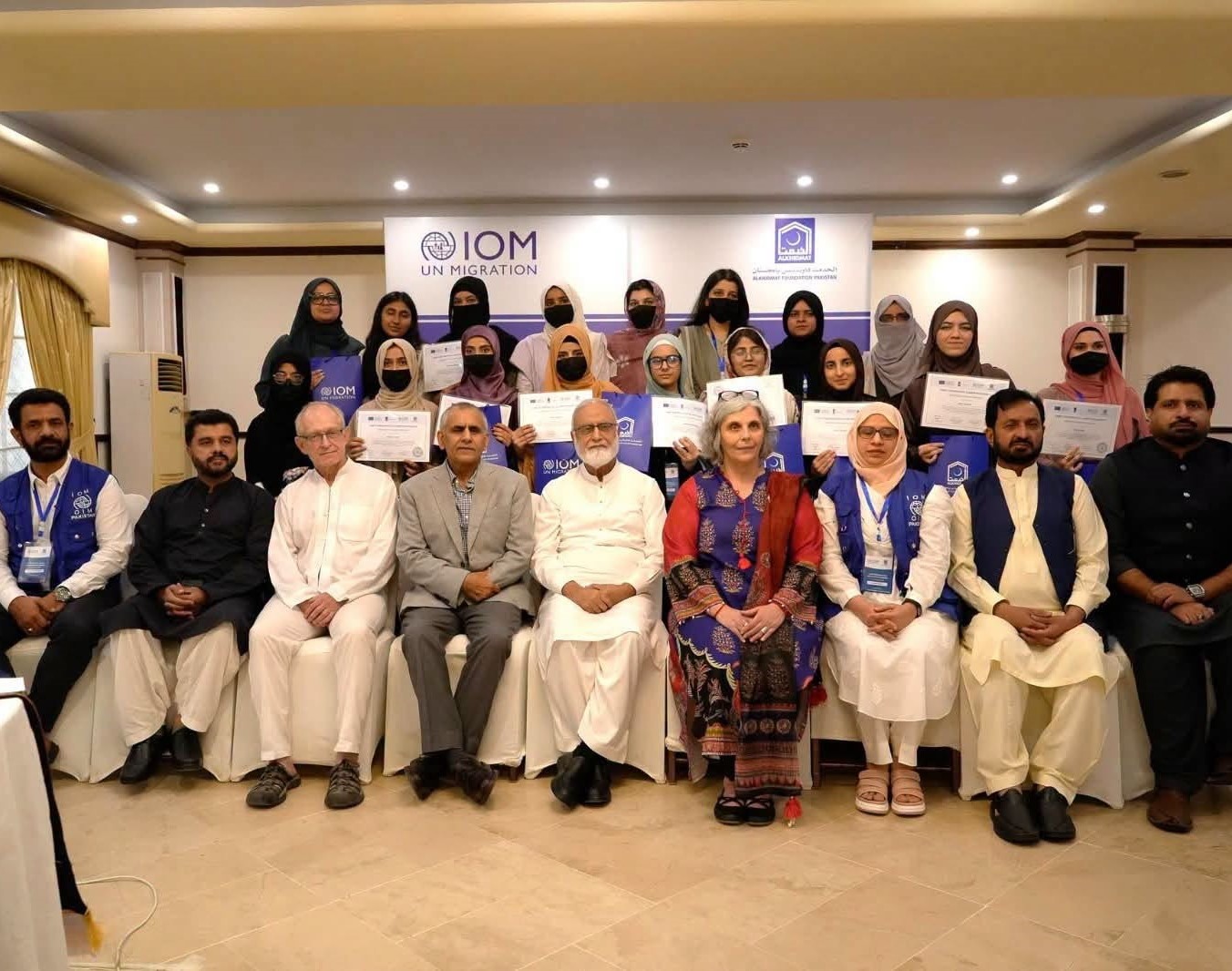
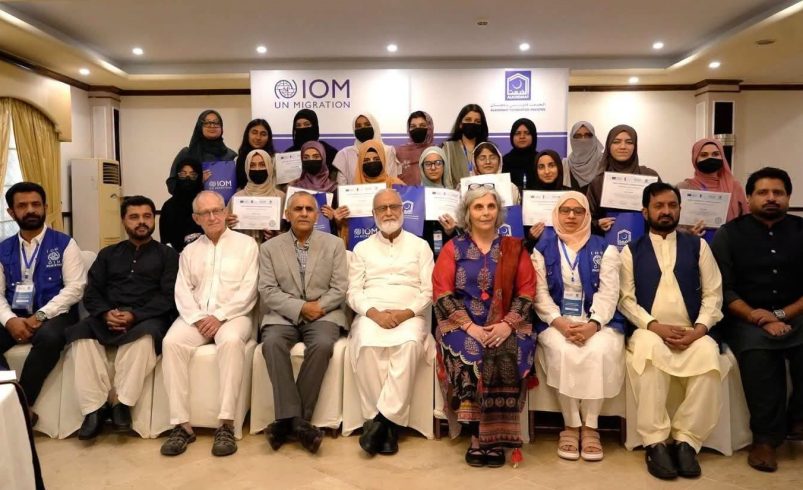
That is precisely why Alkhidmat Foundation partnered with IOM (UN Migration) to run an intensive Camp Coordination & Camp Management (CCCM) training program.
Shelter Is Easy. Community Management Is Hard.
It’s easy to view a temporary site or camp as just a collection of tents. In reality, it’s a living, breathing community formed under the worst possible circumstances.
CCCM isn’t about bureaucracy or red tape. It’s about creating basic human order out of sudden chaos. Good management ensures that:
-
Fairness drives distribution: Every family gets equal access to clean water, food, and medical care not just the ones closest to the delivery truck.
-
Safety is built into the layout: Tents, lighting, and sanitation facilities are set up in ways that prioritize safety and privacy, dramatically lowering protection risks.
-
People have a voice: Displaced families aren’t just passive recipients of aid; they have structured ways to speak up, report problems, and shape how their temporary community functions.
Combining Global Strategy with Ground-Level Trust
This partnership works because both organizations bring something vital to the table.
IOM brings decades of global data, international protection standards, and field-tested logistics. Alkhidmat brings deeply rooted local trust, an extensive volunteer network, and years of experience navigating the realities of local communities.
When global standards meet grassroots reach, response teams can move faster, smarter, and with far greater empathy.
What The Training Delivered
This wasn’t just a series of lectures. Participants walked away with practical, field tested skills they can deploy immediately when the next crisis hits:
-
Real-time gap analysis: Knowing instantly which parts of a camp are underserved so resources move where they are needed most.
-
Dignity-first camp design: Arranging living spaces to ensure safety, particularly for women and young children.
-
Feedback and accountability: Setting up clear, confidential channels so residents can flag issues and request help.
-
Seamless coordination: Keeping multiple relief organizations on the same page so efforts complement each other instead of duplicating work.
Protecting Dignity in the Hardest Moments
At its core, humanitarian work isn’t just about handing out supplies it’s about preserving human dignity when everything else has been stripped away.
By investing in specialized training like CCCM alongside IOM, Alkhidmat is making sure that when field teams respond to the next disaster, they aren’t just bringing relief they’re bringing order, safety, and respect to people who need it most.


