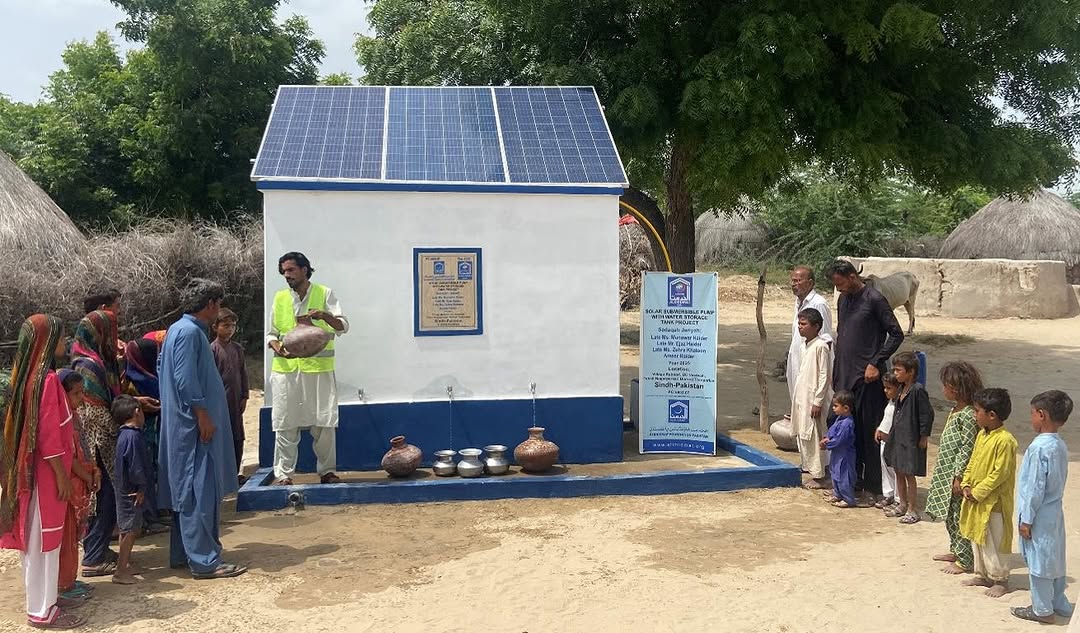




In a significant stride toward public health and community welfare, Alkhidmat Foundation Pakistan, in direct collaboration with the Government of Japan, has officially inaugurated seven brand-new water filtration plants. Designed to serve vulnerable and underserved communities, this modern water infrastructure provides a dependable defense against the region’s growing water quality challenges.
The high-profile inauguration ceremony brought together key international dignitaries and humanitarian leaders. Japanese Ambassador to Pakistan Akamatsu Shuichi attended as the guest of honor, joining Vice President of Alkhidmat Foundation Pakistan Syed Ihsan Ullah Waqas, President of Alkhidmat Foundation Central Punjab Ikram-ul-Haq Subhani, and several high-ranking project coordinators.
Shared Vision and Expressions of Gratitude
Addressing the assembled guests, Syed Ihsan Ullah Waqas extended his deep appreciation to the leadership and citizens of Japan. He emphasized that Japan’s ongoing humanitarian assistance extends far beyond basic infrastructure—it serves as a powerful bridge of international solidarity that reinforces the enduring bond between Pakistan and Japan.
-
Expanding National Infrastructure: Alkhidmat Foundation currently manages a vast network of 308 water filtration plants strategically positioned across Pakistan, delivering fresh water to millions daily.
-
Massive Daily Reach: Under Alkhidmat’s comprehensive Water, Sanitation, and Hygiene (WASH) initiative, an estimated 7.61 million individuals access safe drinking water every single day.
-
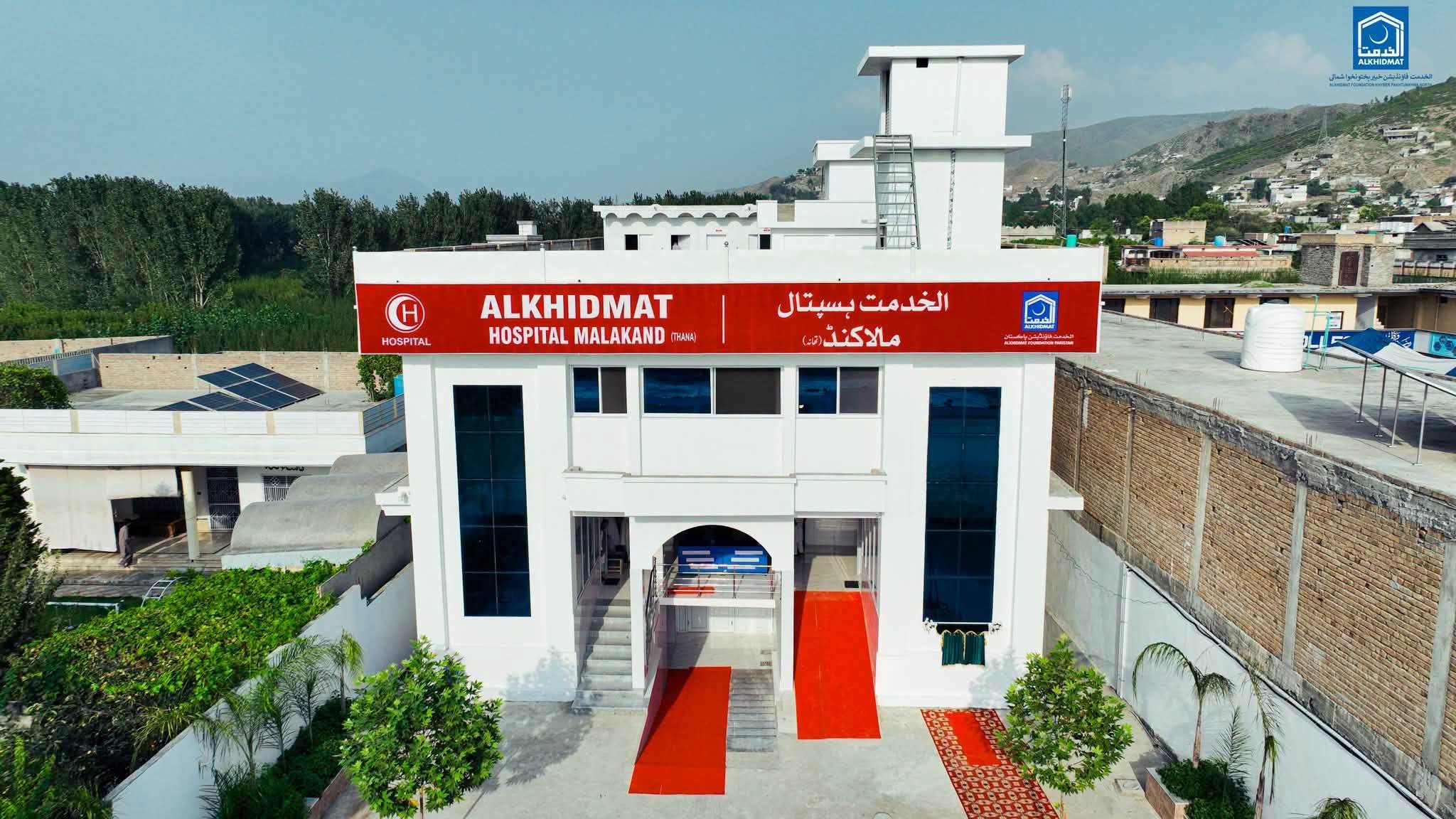
Holistic Humanitarian Mission: While clean water infrastructure remains a central priority, Alkhidmat continues to scale up parallel humanitarian operations across healthcare, education, and disaster management.
Japan’s Commitment to Public Health and Human Rights
In his official address, Ambassador Akamatsu Shuichi praised Alkhidmat Foundation for its exceptional operational transparency, speed, and strict execution standards. He pointed out that contaminated water supplies remain one of the primary drivers of preventable waterborne illnesses in developing regions, making clean water access a direct public health imperative.
Ambassador Akamatsu reaffirmed that securing access to safe drinking water is a fundamental human right and a central pillar of Japan’s international development policy toward Pakistan. He expressed strong confidence that these seven new facilities will safeguard thousands of lives while continuing to deepen the bilateral cooperation between both nations.
Broader Community Impact
The establishment of these additional filtration units yields immediate and far-reaching advantages for local populations:
-
Reduction in Waterborne Disease: Advanced filtration units strip out harmful pathogens and chemical impurities, drastically lowering cases of cholera, typhoid, and gastrointestinal infections.
-
Economic Relief for Families: Households no longer need to spend scarce financial resources buying bottled water or medical treatments for preventable illnesses.
-
Enhanced Quality of Life: Convenient access to purified water builds stronger, healthier neighborhoods and fosters community resilience.